Pest Control: Practical Strategies to Safeguard Your Household and Firm
Pest Control: Successful Systems to Secure Your Household and Enterprise
Beginning to Pest Control
Pest Control involves the regulation or handling of life forms designated as pests – living things that negatively impact people's behaviors or settings. In New Jersey, where various ecosystems intersect with metropolitan and metropolitan growth, powerful Pest Control is not only a indulgence but a requirement for ensuring salubrious home and vocational atmospheres. From the vast neighborhoods of Monmouth County to the unified communities of Matawan, pest issues can influence any individual, irrespective of how spotless or carefully tended their home may be.
The importance of implementing efficient Pest Control procedures could not be overemphasized. For house owners, pests can damage constructional soundness, contaminate food sources, and create considerable health hazards. Establishments deal with these same challenges, with the added apprehension of image harm and likely forfeit of patrons if occurrences are detected. Usual pests in New Jersey contain small mammals like rats and mice, different creepy crawlies such as ants, cockroaches, and bed bugs, and the particularly destructive termites that can noiselessly undermine a building's groundwork.
The Purpose Pest Control Is Essential
Health Risks of Pest Control Chemicals
Multiple pests contain and communicate illnesses that can impact people and pets. Small mammals are established vectors of hantavirus, salmonella, and leptospirosis. Cockroaches can cause asthma flare-ups and sensitized sensitivities, notably in kids. Ticks, plentiful in New Jersey's wooded zones, are notorious for propagating Lyme disease, while mosquitoes can transfer West Nile virus and Eastern Equine Encephalitis. Skilled Pest Control helps reduce these health threats by eradicating the source of these potential disease agents.
Home Deterioration in Pest Control
The skeletal harm produced by pests can be widespread and costly. Termites by themselves trigger over $5 billion in house injury every year around the United States, with New Jersey homes being particularly prone due to the state's atmosphere. Rodents can nibble through electronic wiring, causing fire risks, while their ongoing biting can impair weatherproofing, pipes, and wood framework pieces. Even apparently benign ants can impair wood structures if allowed unhandled, chiefly carpenter ants which are typical in Monmouth County.
Economic Ramifications of Pest Control Services
Overlooking pest incursions can trigger considerable pecuniary repercussions. What possibly commence as a insignificant occurrence calling for elementary procedure can swiftly escalate into a large predicament necessitating comprehensive treatment. For firms, specifically those in the food service or leisure sectors, pest invasions can lead to flunked health reviews, brief cessations, and permanent detriment to name and customer trust. Allocating resources in standard Pest Control is not only about instant ease—it's a extended financial protection.
Pest Control: Common Household and Commercial Pests
Small Mammals (Rats and Mice)
When it relates to discovering rodent outbreaks in your New Jersey home, awareness is critical. You might detect feces near food stocks, in storage units, or below sinks. Bite marks on food covering, wooden materials, and power lines are obvious signals of their attendance. At nighttime, you may distinguish clawing commotion in partitions, overhead surfaces, or underneath floors as these evening creatures transform into active. If you detect lairs built from torn paper, fabric, or dehumidified plant substance, that's a obvious sign rodents have made themselves comfortable. Slick rub marks against baseboards and barriers show up as rodents practice the identical paths often, while your pets may demonstrate abnormal behavior such as yapping or digging at areas underneath appliances or furnishings where rodents conceal.
Vermin in New Jersey homes and companies present numerous threats surpassing just irritation. They can taint food and creation areas with microbes residing in their urination and feces. Their continuous necessity to bite can impair goods, notably electrical lines, which forms fire dangers. In Matawan and encompassing zones, the Norway rat and house mouse are particularly complicated, succeeding in both metropolitan and peripheral areas. Productive Pest Control actions are vital to take care of these ruinous trespassers.
Arthropods (Ants, Cockroaches, Bed Bugs)
Insect issues show themselves in multiple manners depending on the classification. Ant issues develop into evident when you see discernible ant lines directing to food provisions, or when you spot small mounds of earth or wood particles created by carpenter ants. Cockroach problems often reveal themselves through dark feces comparable to coffee grounds or black pepper, a singular fusty fragrance that saturates overrun spots, and the existence of egg shells in covered corners. Bed bug difficulties show up as rust-colored dots on mattresses and pieces, shed skins near lounging locations, tiny blood stains on sheets, and uncomfortable red elevations on skin ordinarily ordered in a line or assembly.
Invertebrates symbolize the most different class of pests in New Jersey. Cockroaches can cause asthma and hypersensitivities while disseminating countless microorganisms. Bed bugs, while not disease vectors, generate notable pain, sleep interference, and emotional trouble. Specific ant types, like carpenter ants prevalent in Monmouth County's tree-covered areas, can inflict architectural injury similar to termites throughout time. Qualified Pest Control services can determine specific insect kinds and apply specific approach approaches that deal with the unique practices and exposures of each pest.
Termites
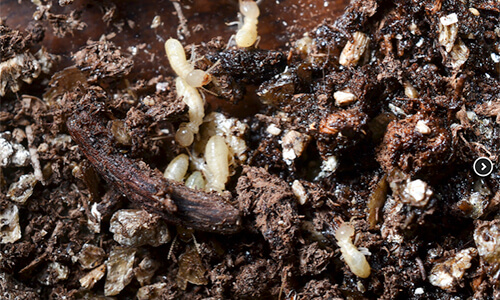
Identifying termite presence initially necessitates comprehending the slight signals of their occurrence. You Capitol Exterminating System pest control New Jersey possibly spot abandoned wings near casements and entrances after swarmers have detected a mate and formed a new group. Mud tubes on outer barriers, wood beams, or in crawl voids function as secured highways for these destructive insects. Wood that resonates vacant when hit demonstrates termites have been dining from within. Access points and casements that suddenly stick may reveal deforming from termite damage, while cracked or blistering paint similar to water destruction often masks termite activity beneath. Finding frass—termite feces akin to tiny wood-colored specks—gives another proof of their undesirable being.
Termites establish perhaps the most noteworthy structural threat within all common pests. In New Jersey, the Eastern subterranean termite is prevalent and remarkably devastating. These bugs can remain undiscovered for spans while producing considerable injury to timber framework components. Homes in Matawan and all over Monmouth County, particularly older dwellings, are at risk to termite issues. The typical charge of term pest control.
Pest Control Safety Aspects
Safe Use of Pesticides and Chemicals in Pest Control
While pesticides grow required in your pest control plan, prioritizing safety demands attention to numerous vital approaches that safeguard persons, companions, and the ecosystem. Consistently examine and follow label guidelines exactly, as these legally-binding instructions demonstrate extensive examination and governmental review created to minimize risks. Apply the smallest successful amount of chemical to attain elimination while minimizing unnecessary chemical addition into your residential area. Use substances only in locations specified on the label, preventing unauthorized treatments that may produce surprising dangers or decrease performance. Don appropriate safeguarding equipment as specified by product producers to avoid personal interaction during treatment. Store chemicals in their factory packages with directions intact to maintain access to security details and eliminate misidentification. Keep comprehensive logs of all treatments, noting substances employed, mixing levels, places applied to, and schedules of treatment for future reference. Enable adequate drying and airflow before reentering treated locations, especially vital in New Jersey's climate where humidity can alter curing durations. Consider safer choices when successful, as advances in pest elimination have created many reduced-risk choices that preserve efficacy while lowering possible dangers.
Protecting Pets and Children Throughout Pest Control Treatments
Special safeguards become essential when implementing pest control treatments in dwellings with vulnerable household members. Relocate companions during treatment and until areas are dry to prevent direct interaction with moist chemicals or vapors that could generate negative responses. Protect or move pet food, water bowls, and toys before service to stop contamination that could lead to inadvertent ingestion. Store children's items away from application areas, particularly items that small kids might place in their mouths. Clean and sanitize meal making counters after treatment, even if they weren't specifically treated, to eliminate any residues that might have collected during treatment. Keep children distant from applied spaces for the recommended period, extending this duration for mobile toddlers who have more immediate contact with floors and low areas. Think about non-toxic to pets and non-toxic to children product options when available, as many contemporary formulations target specific pest biology while reducing animal toxicity. Most vitally, notify professional technicians about the existence of animals, kids, or expecting household members before they create service strategies, enabling them to adapt methods and chemical choices appropriately.
Official Rules and Adherence with Pest Control
Pest control in New Jersey works within a legal structure intended to defend public wellness and the environment while providing successful pest control. The New Jersey Department of Environmental Protection manages pest management procedures, requiring expert pest control businesses to fulfill certain specifications. Organizations must use certified professionals who have cleared official examinations displaying expertise in pest biology, service methods, and safety protocols. These firms must keep appropriate insurance coverage defending both their specialists and their customers from likely harm or damage connected with pest management operations. Tight standards oversee chemical warehousing, transport, and disposal to avoid natural exposure and unpermitted availability. Specialists must supply Safety Data Sheets upon inquiry, documenting the characteristics and hazards of chemicals used in applications. Alert guidelines apply for some applications, specifically in multiple-unit structures or business spaces with numerous residents. Comprehensive application notes must be preserved, establishing an audit path of pest management operations. Furthermore, only chemicals approved for employment in New Jersey may be legally utilized, making certain that area environmental situations and ecosystems have been reviewed in the approval process. For industrial establishments in Matawan and throughout Monmouth County, further rules may pertain based on the industry, particularly for restaurant service, medical, and child care facilities where pest elimination overlaps with further community safety considerations.
Green Pest Control Choices
Combined Pest Management (IPM) System
Combined Pest Control embodies the gold level in contemporary pest control, focusing on lasting protection through a mixture of techniques that decrease environmental effect while enhancing success. The IPM method starts with thorough examination and tracking to determine pest activity correctly, creating starting data about varieties present and number levels. This results in accurate recognition of pest varieties, ensuring treatment efforts focus on particular habits and exposures rather than employing general methods. Experts establish level amounts that necessitate intervention, realizing that the simple presence of a small number of organisms does not always require control if quantities remain beneath injurious levels. When treatment grows needed, IPM applies multiple control techniques in unity, commonly starting with safest strategies and escalating only when necessary. Within the method, experts evaluate success and adjust techniques as appropriate, creating a adaptable approach adaptive to varying environments. Most vitally, IPM focuses on prevention over treatment, handling structural and ambient aspects that sustain pest populations rather than only destroying present pests. Many pest control organizations in New Jersey deliver IPM-based services that correspond with the region's initiative toward reduced-risk pest management procedures, notably in delicate environments like educational facilities, medical institutions, and meal preparation plants.
Non-Chemical Management Methods
Effective pest control often incorporates non-chemical approaches that can resolve or lower pest problems without inserting products into the surroundings. Mechanical blockades such as filters, entry seals, and filling stop pest penetration entirely, dealing with the problem at its beginning. Mechanical systems like traps and blocking tools take away existing creatures while avoiding additional invasions. Biological approaches containing useful bugs and microbes insert living predators that focus on individual insects while maintaining advantageous organisms safe. Behavioral methods adjust the conditions to repel pests, such as altering irrigation patterns to reduce dampness that attracts certain pests. Area change decreases hiding places and sustenance options, making sites decreased attractive to problematic inhabitants. For specific insects like bedbugs, temperature applications provide highly effective control without harmful leftovers by raising thermal levels over the thermal death threshold for all living phases of the intended pest. Similarly, cold techniques for warehoused commodity insects like grain insects or food storage insects can remove problems in food goods without chemical contamination. These strategies show specifically useful in New Jersey's varied areas, where closeness to water systems, protected environmental regions, and heavy community zones forms numerous scenarios where synthetic minimization becomes preferable or needed.
Sustainable Pest Control Treatment Options
The pest control business continues to advance toward additional environmentally-friendly procedures that maintain success while reducing ecological impact. Natural chemicals derived from botanical substances like chrysanthemum extract, neem, and natural extracts supply precise elimination with minimized duration in the nature. Biological products containing microbes, spores, or viruses that target particular pest organisms supply exactness that standard universal products are unable to match. Reproductive inhibitors that block pest reproduction by disrupting with maturation phases deliver extended quantity suppression without quick dangerous effects on fully-grown insects. Scent devices that monitor or interrupt pest mating aid figure out when intervention turns needed and can avoid reproduction in some kinds. The sector increasingly implements minimal-impact chemicals with limited environmental influence, changing away from previous compounds with wider impacts on unintended organisms. Precision delivery systems that lower total chemical use provide services precisely where required rather than scattering materials over extensive areas. Green certification initiatives for pest control firms create guidelines for ecologically better assistance and supply clients with clear marking of services pledged to sustainable procedures. In environmentally delicate areas of New Jersey, featuring areas of Monmouth County with distance to water systems, these green approaches are notably valuable for safeguarding both people's wellbeing and natural ecosystems while yet delivering productive pest elimination.
Finding a Local Pest Control Service Provider in New Jersey
Capitol Exterminating System
272 NJ-34
Matawan, NJ 07747
(732) 441-1900
Commonly Posed Queries (FAQs) about Pest Control
How commonly should pest control be conducted?
For the majority of New Jersey residences, every three months pest control supplies sufficient security against recurring pest challenges. This frequency corresponds with the local separate seasons, each generating separate pest difficulties that need precautionary consideration. Spring procedures usually handle appearing ant groups and surviving pests getting lively. Summertime services emphasize on mosquitoes, ticks, and different winged pests that succeed in hotter conditions. Autumn services prepare properties for rodents and hibernating pests looking for harborage as weather drop. Cold season applications sustain safeguarding against internal organisms while tackling small mammal activity at its peak. However, this rate may rise for homes with certain danger conditions or continuing troubles that require more thorough control. Houses close to forested zones in Monmouth County may profit from further tick and mosquito services throughout high periods. Structures with record of particular pest problems frequently call for specific subsequent services over the normal four times yearly timing. Industrial buildings, particularly restaurant industry establishments in locations like Matawan, commonly need every month service to maintain compliance with wellness rules and prevent infestations that could injure reputation and commercial functions.
Is qualified pest control safe for pets?
When carried out appropriately, specialist pest control can be harmless for companions through deliberate chemical choosing and treatment techniques that decrease access. Modern specific usage methods and lower-risk substances have substantially enhanced protection profiles compared to previous pest management techniques. Recent treatments often use formulations explicitly developed to have low danger to pets while remaining successful against target insects with alternative body systems. Professional technicians acquire education in application approaches that place chemicals in locations pets cannot reach, such as interior spaces, cracks and spaces, or beneath devices. However, pets should be taken away during application and until all procedures have cured completely, following certain rest intervals recommended by the substance manufacturer and applicator. Fish containers should be enclosed and air devices disabled while performing procedure to prevent infection from airborne debris. Pet possessions including sleeping areas, toys, and feeding equipment should be taken away or protected throughout application. Review any questions with your pest control provider, who can suggest suitable waiting times according to the particular services applied and modify approaches for households with particularly vulnerable companions like flying animals or lizards and snakes that may have distinct physical vulnerabilities than cats and canines.
What are the evidence of a significant pest invasion?
Apart from visible pests personally, numerous caution symptoms suggest potentially serious infestations requiring immediate pest control response. Odd aromas commonly emerge with big invasions – damp, greasy smells may suggest mice and rats, while sweet, almond-like aromas sometimes follow German roach communities. Unexplained structural deterioration like sinking floors, peeling finish, or crumbling material may expose termite presence or carpenter ant colonies ruining construction parts. Strange sounds within partitions or upper spaces, particularly at night, often indicate rodent movement as these dark-active creatures turn mobile in concealed spaces. Excessive powder looking like minute debris beside timber pieces may actually be excrement or feces from lumber-eating organisms. Some households face mysterious health issues like breathing difficulties or discomfort that improve when distant from property, likely revealing pest infestations impacting inside air purity. In New Jersey homes, focused attention should be paid to underground and foundation zones where water problems can support pest groups, particularly in aged houses throughout Monmouth County where foundation openings and crumbling cement create multiple invasion points. Encountering many lifeless creatures of the similar species suggests a greater colony nearby, while grease traces near trim suggest confirmed mouse and rat passages with regular movement.
Can I prevent insects without pest control substances?
Indeed, many creatures can be eliminated through suitable cleanliness, exclusion, and environment modification without using toxic interventions. The cornerstone of non-toxic pest control begins with comprehensive barrier activities – filling openings, holes, and entrances that allow creatures to invade properties in the beginning position. Placing door sweeps, mending deteriorated filters, and blocking service access points stops common access places. Eliminating feeding options through suitable edible containment in sealed containers, fast clearing of spills and bits, and frequent garbage collection considerably reduces lures that bring organisms into homes. Minimizing humidity by fixing seeping water lines, enhancing airflow in moist spaces, and dealing with drainage issues removes the liquid sources numerous organisms require. Sustaining a space region surrounding properties by trimming plants, taking away organic material, and maintaining firewood off the ground and away from buildings lowers harborage spaces and penetration points. Employing tangible barriers like copper mesh or steel wool to block larger holes offers permanent barrier protection for rodents and rodents. Frequent maintenance that features vacuuming fissures and crevices eliminates bug offspring and food waste that support pest growth. For present invasions, however, some form of control material may be needed to address established concerns, though numerous reduced-danger options are accessible including natural silica dust, boron substance, and insecticidal cleaners that provide reduced risk against traditional substances.
What should I prepare for throughout expert pest control procedure?
A professional pest control application usually begins with a detailed assessment to identify pest species, entry points, and supporting circumstances adding to the trouble. The expert should invest time examining both inside and outdoor zones, paying special attention to cooking areas, bathing facilities, basements, and perimeter foundations where pest behavior regularly concentrates. Following this assessment, the specialist should clarify their findings in completeness and propose a application program customized to your particular situation, talking about both the intended pests and the techniques proposed for handling them. You may obtain setup directions before procedure, potentially involving repositioning items, clearing particular spaces, or protecting companions. While performing the application, the expert will employ appropriate chemicals to designated areas depending on the pest species determined, concentrating on gaps, crevices, and pest hiding locations rather than broadcasting procedures around full regions. They may set up surveillance systems like pest devices or food containers that help follow progress and supply continuing security. After completing applications, a specialist should explain any following-application care instructions such as ventilation needs, occupancy durations, or spaces to sanitize. Before exiting, they should plan additional services if necessary for especially challenging pests like sleeping pests or German cockroaches that typically demand several applications for total elimination. During this system, professionals should encourage questions and supply plain facts about the materials and techniques employed, reflecting their instruction and pledge to both performance and safety.
Efficient pest control is an vital element of preserving sanitary, safe dwelling and professional spaces in New Jersey. From the moist warm seasons that create flying insects and ticks to the frigid seasons when small mammals search for protection within, pest challenges continue a year-round issue for homeowners and organizations in Monmouth County and Matawan. By understanding usual pests, implementing precautionary procedures, and understanding when to pursue expert assistance, building operators can shield their assets and the health of tenants.
Using a forward-thinking system to pest control is invariably greater productive and cost-effective than reacting to developed problems. Routine inspections, appropriate upkeep, and handling small problems before they worsen can stop the significant costs and disturbances associated with major pest troubles. When expert intervention grows required, choosing a reputable, qualified pest control provider who uses comprehensive pest treatment principles guarantees effective achievements with minimal ecological impact.